Destinations
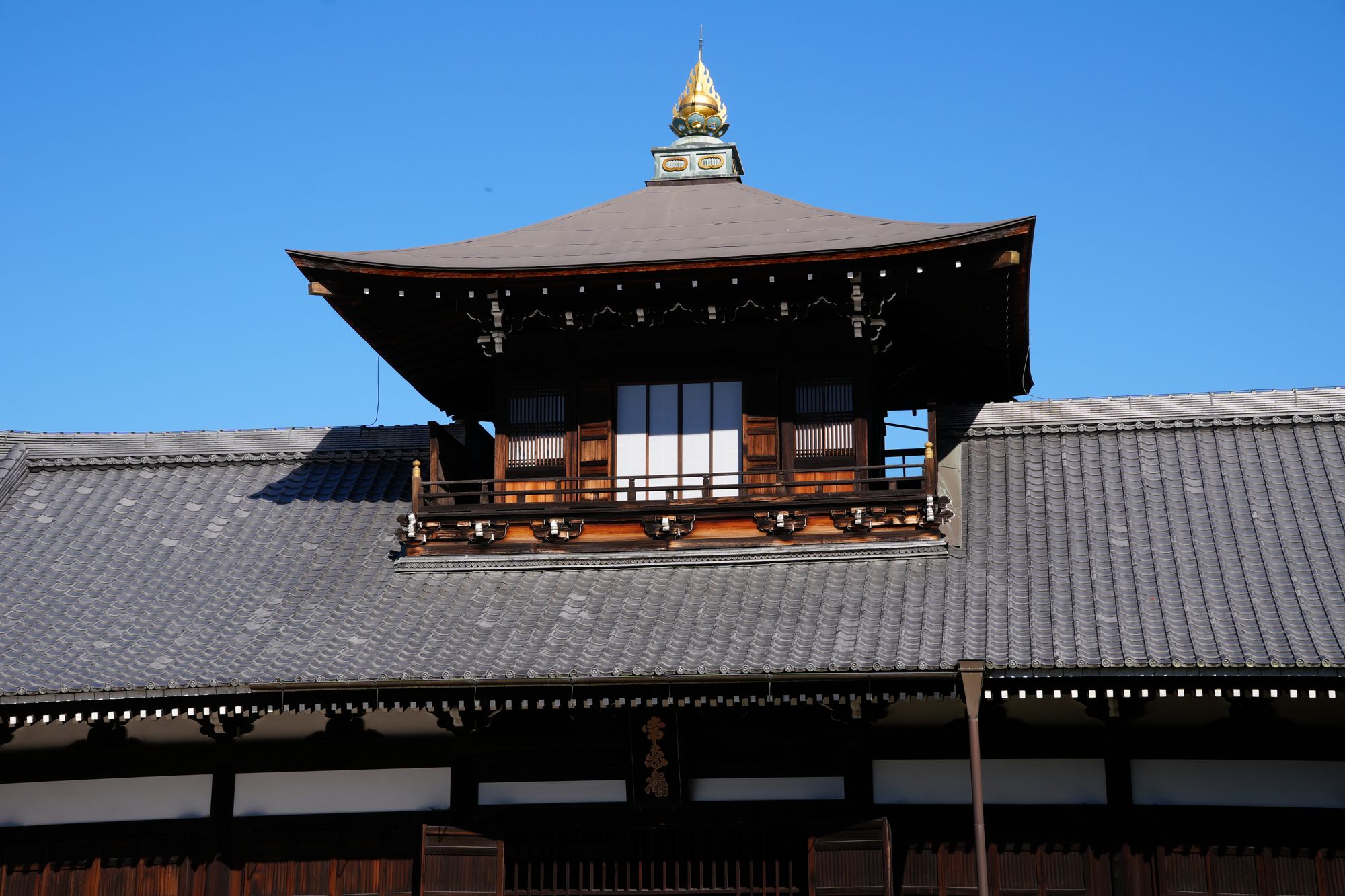
The quiet geometry of Kyoto
Why the most memorable moments in Japan's old capital happen in the spaces between the famous sights.
By Hana Ito · Nov 04, 2025 · 7 min read
There is a moment, usually around 6:40 in the morning, when the light at Fushimi Inari turns from grey to orange and the gates seem to lean in to listen. Nobody is there. The souvenir stalls are shuttered. A cat crosses the path with the confidence of a landowner.
It lasts twenty minutes. By eight the path is a procession, and the gates become a backdrop. Neither version is wrong — but only one of them will change how you see the city.
Sub-temples and side gates
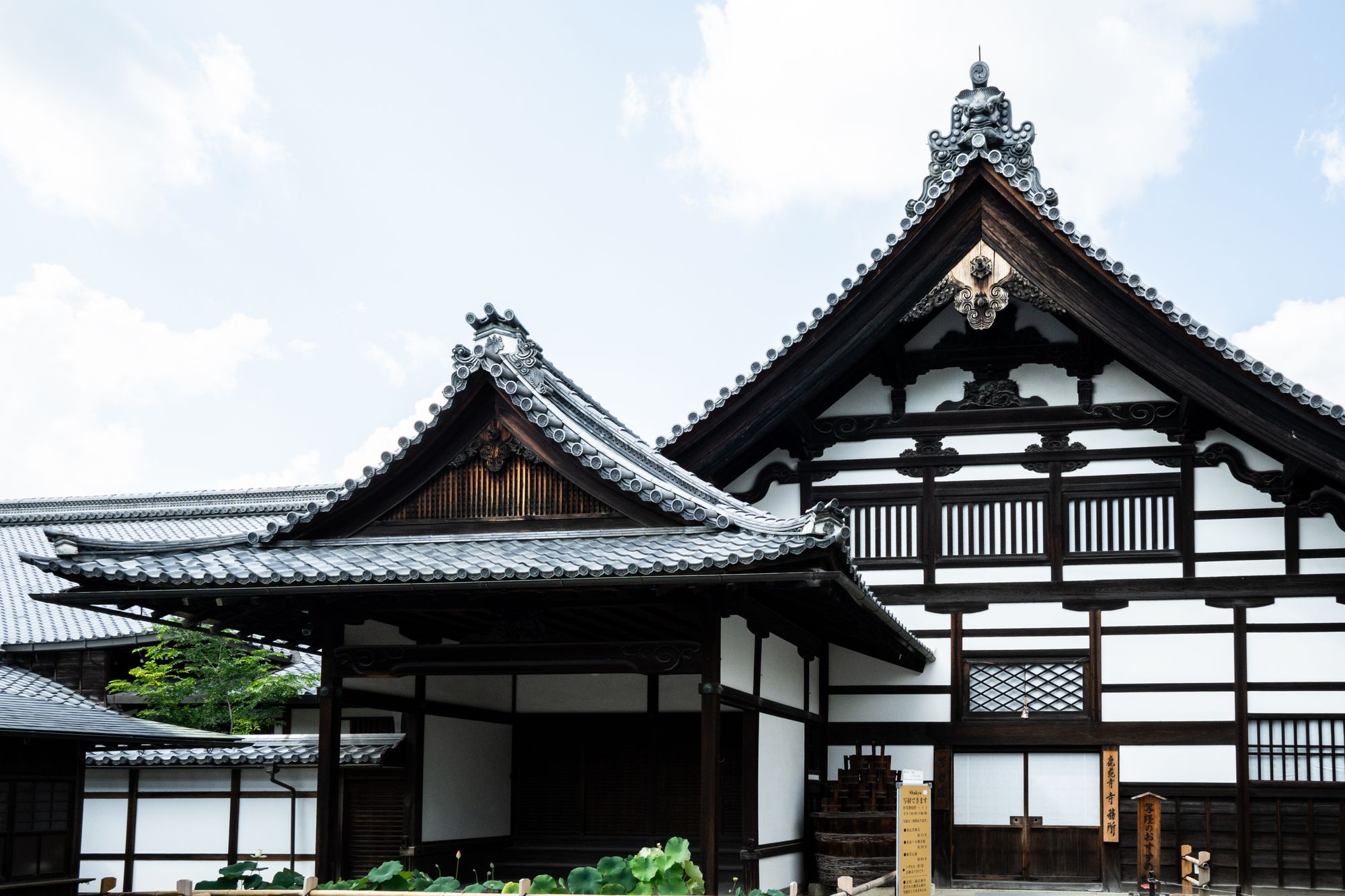
Kyoto's great temple complexes are cities within the city. Daitoku-ji alone has two dozen sub-temples, most closed to the public, a handful open on rotation. Find one that is, and you will likely share its garden with a gardener and nobody else.
The garden is not finished when there is nothing left to add, but when there is nothing left to take away.
Timing is everything
We build our Kyoto journeys around the clock rather than the map: dawn for the icons, mid-morning for gardens, late afternoon for neighbourhoods and evening for Gion, when the lanterns come on and the geiko hurry between appointments.
It is a slower way to travel and, we think, the only one that fits the place.